

Solutions · Drones & aerial
Fly the risky cases in simulation first
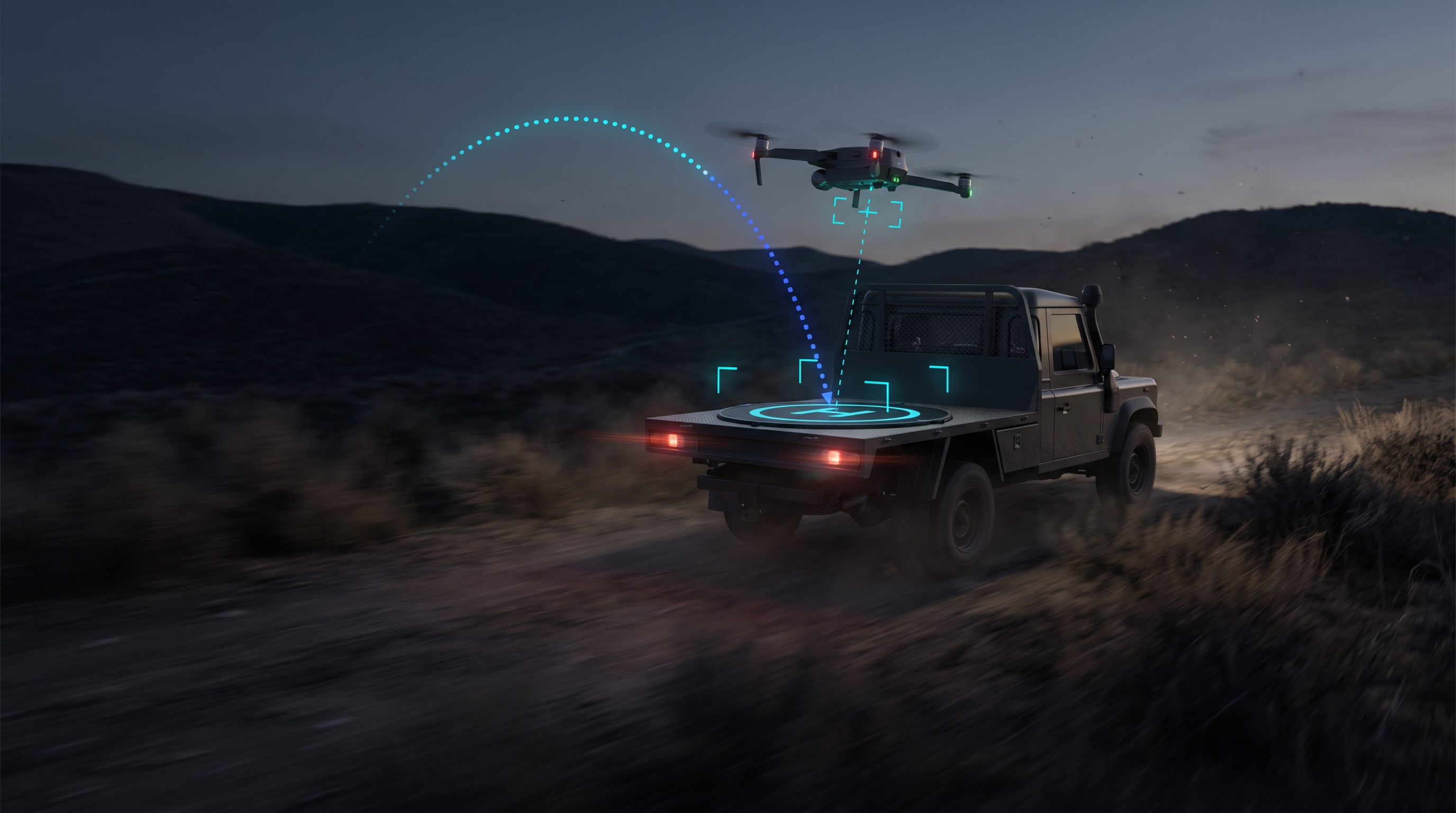
Gusts, moving landing pads, low light and GPS dropouts are expensive to test in the air. Sweep them in simulation, then confirm the few that matter on real flights.
What EsaSim answers
The questions EsaSim answers for aerial teams
Every flight test costs a day and some risk. These are the questions simulation answers first, so the flights you do make count.
Will it land on a moving pad in a gusty crosswind?
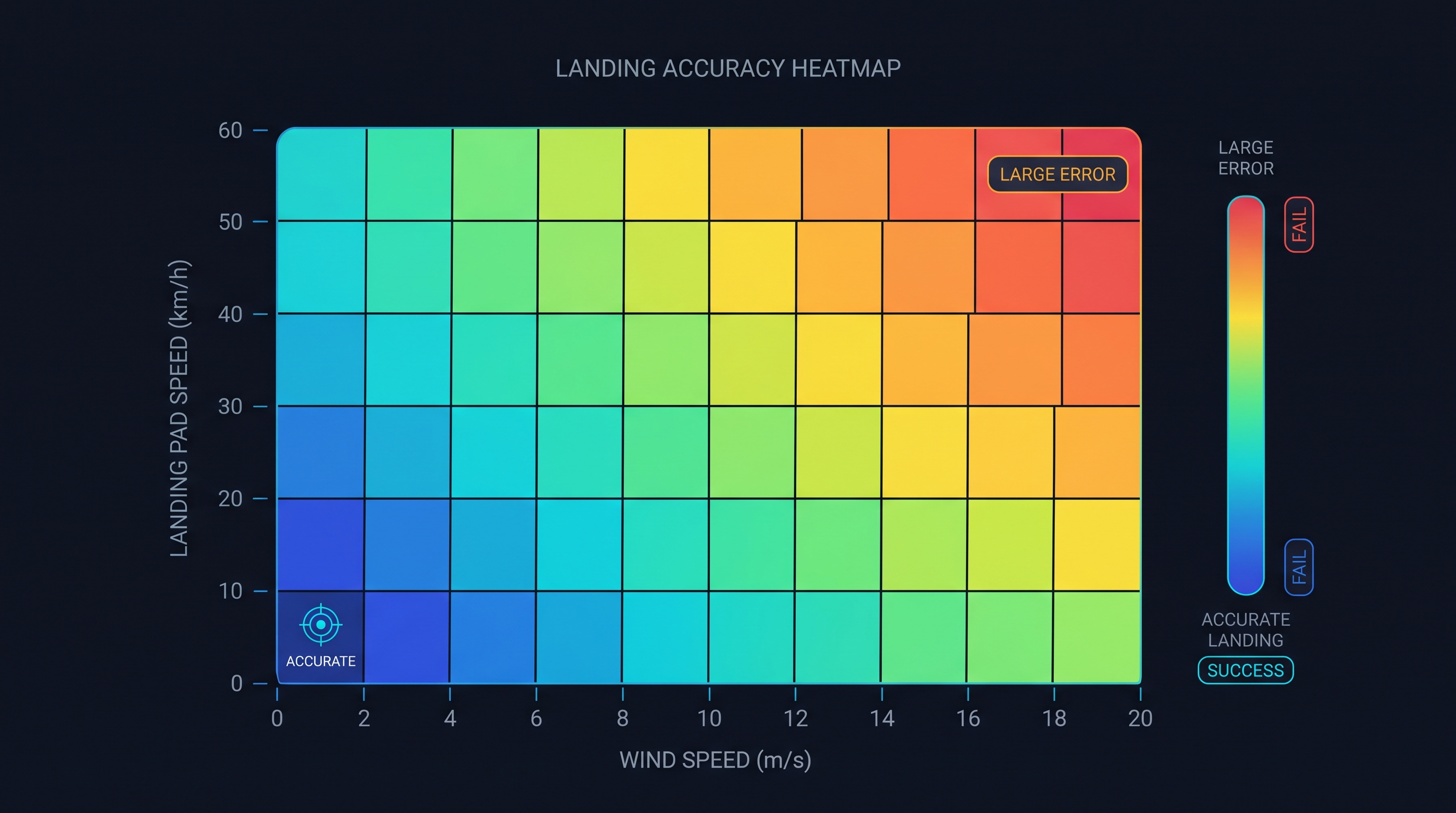
Sweep hundreds of landings over wind, pad motion and sensor noise in parallel. The success rate fills in live, and the 3D replay shows exactly how each failed landing went wrong.
The drone landing studyWhat happens when GNSS is jammed or spoofed mid-mission?
Fly the route with satellite navigation cut or spoofed, low among buildings, and see whether the vehicle still reaches the drop point and comes back on its other sensors.
Which controller gains are stable across the flight envelope?
Sweep the gains against wind, payload and battery state, with overshoot, settling time and energy recorded for every run, and keep the region that holds everywhere.
Does the inspection route cover the structure without getting too close?
Check coverage and clearance of the route around a turbine, a mast or a bridge before anyone flies it, and replay the closest passes in 3D.
Which flights do we still need to fly for real?
The sweep picks the handful of conditions closest to failure; those are the ones worth confirming in the air.
Typical workloads
Landing and docking
Wind, pad motion and visual marker conditions swept per episode.
Inspection paths
Coverage and collision checks for inspection routes near structures.
Controller tuning
Parameter sweeps for flight controllers with metrics per run.
Ready to run
A landing study in minutes
The Drone landing study template is a blueprint that sweeps hundreds of landings on a moving pad under wind and sensor noise, in parallel on your workers, with a 3D replay, live charts and a summary. A second flow renders the landings into videos on your workers. The EsaSim library adds a quadcopter model, landing camera pictures and flight logs to try it with.
About blueprints
Start on a laptop GPU
The free plan runs on a single local GPU, which is enough to start sweeping a flight controller. Move to a server when the grid grows.
Build your first study this afternoon
Create a free account, link GitHub, pair a computer and copy a demo, or describe what you need to your assistant. It takes about ten minutes.